
2025
Crafting a Timeless Smile: The Role of Personalised Dental Implants
Introduction
The evolution of dental technology has revolutionised the way dental professionals approach tooth replacement, particularly through the advancement of personalised dental implants. For those seeking dental implants in Plymouth and beyond, modern solutions offer unprecedented levels of customisation and comfort. This comprehensive guide explores how personalised dental implants are transforming smiles and improving quality of life for patients across the United Kingdom.
Understanding Personalised Dental Implants
The Science Behind Custom Solutions
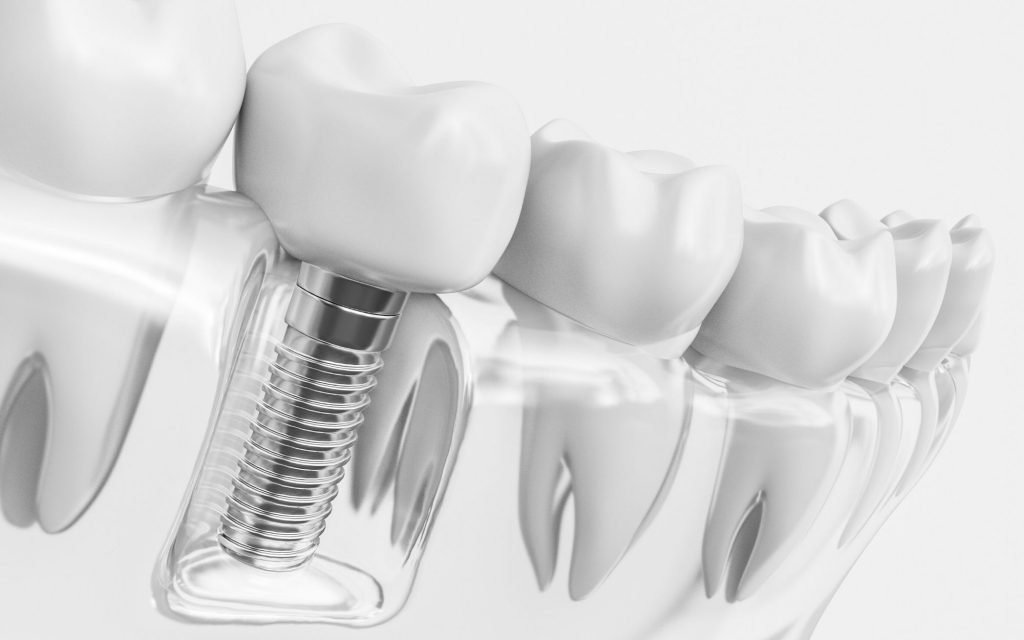
Personalised dental implants represent a significant advancement in restorative dentistry. Unlike one-size-fits-all approaches, these bespoke solutions take into account individual patient characteristics, including jaw structure, bite force, and aesthetic preferences. Recent advances in digital planning technologies have made it possible to create implants that perfectly match a patient’s oral anatomy, ensuring optimal function and appearance.
Technology-Driven Innovation
The implementation of cutting-edge technology has revolutionised the dental implant process. Advanced 3D printing techniques in dental implant manufacturing have enabled practitioners to create precise, customised solutions that integrate seamlessly with existing teeth. This technological advancement has particularly benefited patients seeking dental implants in Plymouth and other metropolitan areas, where access to state-of-the-art dental facilities is readily available.
Benefits of Personalised Dental Implants
- Enhanced aesthetic outcomes
- Improved comfort and fit
- Better long-term stability
- Reduced risk of complications
- Natural-looking results
The Consultation Process
The journey to achieving the perfect smile begins with a comprehensive consultation. During this crucial phase, dental professionals conduct thorough examinations using advanced imaging techniques to assess bone density, gum health, and overall oral condition. Modern diagnostic approaches in implant dentistry enable practitioners to develop highly accurate treatment plans tailored to each patient’s unique requirements.
Treatment Planning and Implementation
Customisation Process
The creation of personalised dental implants involves meticulous attention to detail. Dental professionals utilise advanced computer-aided design and manufacturing (CAD/CAM) technology to ensure each implant meets exact specifications. This precision engineering considers factors such as tooth size, shape, and colour to create restorations that blend seamlessly with natural teeth.
The Role of Digital Dentistry
Digital workflows have transformed the implant planning process, allowing for more predictable outcomes. Through virtual treatment planning, practitioners can visualise the final result before beginning the procedure, ensuring optimal implant positioning and aesthetic results. This technology-driven approach has significantly improved the success rates of dental implant procedures.
Maintaining Long-term Success
Aftercare and Maintenance
The longevity of personalised dental implants depends significantly on proper aftercare. Patients must maintain excellent oral hygiene practices and attend regular check-ups to ensure the continued success of their implants. A comprehensive maintenance routine typically includes:
- Daily cleaning with specialised tools
- Regular professional cleaning appointments
- Periodic assessment of implant stability
- Monitoring of surrounding tissue health
Future Developments
The field of personalised dental implants continues to evolve, with ongoing research into biocompatible materials and surface treatments. These developments promise to further enhance the integration of implants with natural bone tissue and improve long-term outcomes for patients.
Conclusion
Personalised dental implants represent a significant advancement in restorative dentistry, offering patients the opportunity to achieve natural-looking, functional, and long-lasting results. Through the combination of advanced technology, skilled practitioners, and careful treatment planning, these custom solutions continue to transform the field of implant dentistry. For individuals considering tooth replacement options, personalised dental implants offer a sophisticated solution that prioritises both function and aesthetics, ultimately contributing to improved oral health and quality of life.

Invisalign: Pioneering the Future of Personalised Orthodontic Care
Introduction
In recent years, the landscape of orthodontic care has been transformed dramatically. Among the leading innovations is Invisalign St John’s Wood, a revolutionary approach that offers a discreet and effective alternative to traditional braces. As the demand for personalised and aesthetic dental solutions grows, Invisalign continues to stand out as a frontrunner in delivering customised treatment plans. This post explores the impact of Invisalign, its benefits, and its role in shaping the future of orthodontics.
The Rise of Invisalign
A Brief History
Invisalign was introduced in the late 1990s, offering a fresh take on teeth alignment. Unlike conventional metal braces, Invisalign employs a series of clear, custom-made aligners that gradually reposition teeth. This approach was quickly embraced by those seeking a more aesthetic option for orthodontic treatment. The introduction of Invisalign marked a pivotal moment in dentistry, setting a new standard for patient comfort and cosmetic appeal.
How Invisalign Works
The Invisalign process begins with a comprehensive assessment by a dental professional. Using advanced 3D imaging technology, a precise treatment plan is created, detailing the movements of teeth throughout the treatment period. Patients receive a series of aligners, each to be worn for about two weeks before progressing to the next set. This incremental adjustment ensures a smooth transition, moving teeth into their desired positions without the discomfort often associated with traditional braces.
Benefits of Invisalign
Discreet Appearance
One of the most appealing aspects of Invisalign is its virtually invisible appearance. The clear aligners allow patients to undergo treatment without noticeable orthodontic appliances. This benefit is particularly significant for adults and teenagers who may feel self-conscious about wearing braces.
Customisation and Comfort
Invisalign aligners are tailored to fit each patient’s unique dental structure, ensuring a snug and comfortable fit. Unlike metal braces, which can cause irritation and soreness, Invisalign aligners are smooth and gentle on the gums and cheeks.
Flexibility and Convenience
Invisalign offers the flexibility of removing the aligners for eating, brushing, and flossing, allowing for better oral hygiene compared to fixed braces. This convenience also means there are no dietary restrictions, enabling patients to enjoy their favourite foods without worry.
The Science Behind the Success
Recent studies have highlighted the effectiveness of Invisalign in achieving desired orthodontic outcomes. For instance, a study on the clinical efficacy of clear aligners demonstrated their ability to successfully treat a wide range of orthodontic issues. Additionally, the predictability of tooth movement with Invisalign has further validated its role as a reliable orthodontic treatment option.
The Future of Orthodontics
The evolution of orthodontics is closely tied to technological advancements. As digital dentistry continues to advance, Invisalign is poised to remain at the forefront. Innovations such as AI-driven treatment planning and enhanced 3D visualisation are set to further refine the precision and efficiency of Invisalign treatments. These developments promise a future where orthodontic care is more personalised and accessible than ever before.
For those seeking Invisalign, St John’s Wood offers expert services that align with these modern advancements, providing residents access to excellent orthodontic care.
Moreover, the future of dentistry is not only about aesthetics but also about improving the overall patient experience. Invisalign’s commitment to continuous improvement and patient satisfaction will undoubtedly contribute to shaping the future of orthodontic treatments.
Conclusion
Invisalign represents a significant leap forward in the field of orthodontics, combining the latest technology with a patient-centric approach. Its ability to deliver effective, discreet, and personalised care has made it a preferred choice for many. As the dental industry continues to evolve, the role of Invisalign is set to expand, offering even more innovative solutions for those seeking to enhance their smiles. For anyone considering orthodontic treatment, Invisalign remains an exceptional option, providing cutting-edge solutions tailored to individual needs.