How Private Dentists Engineer Tooth Coloured Composite Fillings to Match the Exact Optical Properties and Structural Strength of Your Natural Dentition
The Art and Science Behind Modern Dental Restoration
The human tooth represents one of nature’s most remarkable feats of engineering, combining exceptional strength with subtle translucency and a complex layered structure that has taken millennia to perfect. When decay or damage compromises this biological masterpiece, modern dentistry faces a formidable challenge: recreating not merely the shape of a tooth, but its entire optical signature and mechanical resilience. A private dentist in Manchester uses composite resin technology which has revolutionised this endeavour, transforming dental restoration from a purely functional exercise into a sophisticated blend of materials science, optical physics, and artistic precision.
Contemporary composite fillings bear little resemblance to their predecessors from decades past. Today’s materials represent the culmination of extensive research into biomimetic dentistry, where the goal extends far beyond simply plugging a hole. A private dentist often works with composite resins that can replicate the precise refractive index, opalescence, and fluorescence of natural enamel and dentine, creating restorations that become virtually indistinguishable from the surrounding tooth structure.
Understanding the Complex Structure of Natural Teeth
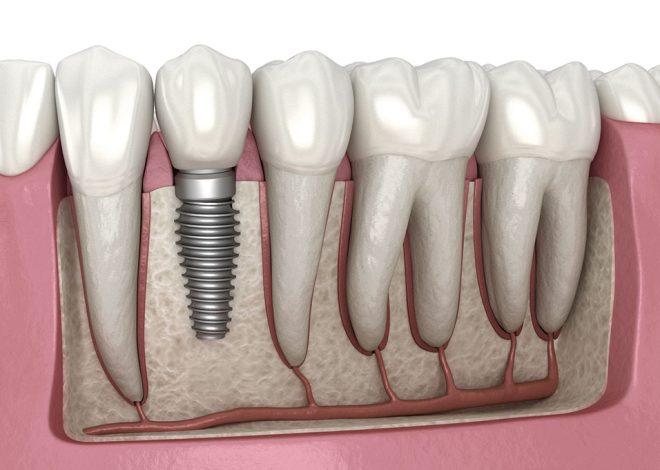
Before examining how composites achieve their remarkable mimicry, one must appreciate the intricate architecture they seek to replicate. Natural teeth comprise multiple distinct layers, each with unique optical and mechanical properties. The outermost enamel layer possesses a crystalline structure that gives teeth their characteristic lustre and translucency, whilst the underlying dentine provides a warmer, more opaque foundation with a slightly yellow hue.
The interaction between these layers creates the tooth’s overall appearance. Light penetrates the translucent enamel, reflects off the dentine, and scatters through the enamel again, producing the depth and vitality that characterises healthy dentition. This optical complexity presents considerable challenges for dental materials, which must somehow capture this three-dimensional interplay of light within a single restoration. For those interested in understanding the fundamental properties of composite materials, the technical specifications reveal just how sophisticated these materials have become.
The Composition of Modern Composite Resins
Contemporary composite materials consist of three primary components working in concert to achieve both aesthetic excellence and structural integrity. The resin matrix, typically composed of dimethacrylate polymers, provides the material’s workability and bonding capability.
Embedded within this matrix, inorganic filler particles—often composed of silica, quartz, or ceramic compounds—constitute up to 80% of the material’s volume, dramatically enhancing its strength and wear resistance. A silane coupling agent bridges these two phases, ensuring optimal load transfer and preventing separation under the considerable forces generated during mastication.
Optical Engineering at the Microscopic Level
The true brilliance of modern composites lies in their optical engineering. Manufacturers carefully calibrate filler particle size and distribution to control how light interacts with the material. Smaller particles scatter light differently than larger ones, allowing dental professionals to layer materials of varying particle sizes to recreate the depth and translucency gradients found in natural teeth. Some advanced composites incorporate specialised pigments that fluoresce under ultraviolet light, precisely matching the natural fluorescence of enamel—a detail that ensures restorations appear natural even under nightclub lighting or bright sunlight.
The Clinical Process of Shade Matching and Layering
Achieving an imperceptible restoration requires meticulous attention to shade selection and layering technique. Dental practitioners employ sophisticated shade guides and often photograph teeth under standardised lighting conditions to map the precise colour variations across the tooth surface. Research into colour stability and matching accuracy in composite restorations has refined these protocols considerably in recent years.
The actual placement involves strategic layering of different composite shades and opacities. A typical restoration might begin with an opaque dentine shade at the base, followed by translucent enamel shades near the surface, with intermediate layers providing natural colour transitions. This incremental approach not only achieves superior aesthetics but also ensures proper curing, as each thin layer receives adequate light exposure for complete polymerisation.
Structural Considerations and Bonding Techniques
Aesthetic excellence means little without structural integrity. Modern adhesive dentistry employs sophisticated bonding systems that create micromechanical and chemical bonds with tooth structure. Acid etching creates microscopic irregularities in enamel, whilst primers penetrate dentine tubules, establishing retention that often exceeds the strength of the tooth itself. Studies examining bond strength and longevity of adhesive restorations continue to validate these techniques.
The Future of Biomimetic Dental Materials
The evolution of composite technology continues unabated, with researchers developing materials that not only replicate natural teeth but potentially improve upon them. Smart composites incorporating antibacterial agents, remineralising compounds, and stress-responsive properties represent the next frontier in restorative dentistry, promising fillings that actively protect and strengthen remaining tooth structure whilst maintaining the aesthetic perfection that patients increasingly expect from modern dental care.