
Dental

The Role of Sleep Dentistry in Transforming Patient Care
Understanding the Evolution of Modern Dental Care
Dental anxiety has long been recognised as a significant barrier preventing countless individuals from seeking essential oral healthcare. For decades, the mere thought of a dental procedure has triggered overwhelming fear in patients, often leading to delayed treatments and deteriorating oral health. However, the landscape of dental care has undergone a remarkable transformation with the advent of sleep dentistry, offering a revolutionary approach that prioritises patient comfort whilst maintaining high standards of clinical care.
Sleep dentistry, also known as sedation dentistry, represents a paradigm shift in how dental professionals, such as a dentist Port Macquarie, might approach patient care. This innovative methodology enables practitioners to perform comprehensive treatments whilst patients remain in a relaxed, comfortable state, fundamentally altering the traditional dental experience. The technique has gained considerable recognition across the dental community, with practitioners worldwide adopting these methods to enhance patient outcomes and satisfaction.
The Science Behind Sleep Dentistry Techniques
The foundation of sleep dentistry rests upon carefully administered sedation protocols that allow patients to undergo dental procedures without experiencing the stress and discomfort traditionally associated with dental visits. Understanding the various levels of sedation available helps patients make informed decisions about their dental care options.
Types of Sedation Available
Modern sleep dentistry encompasses several sedation options, each tailored to meet specific patient needs and procedural requirements. Minimal sedation maintains patient consciousness whilst promoting relaxation, moderate sedation allows patients to respond to verbal commands despite feeling drowsy, and deep sedation places patients on the edge of consciousness whilst maintaining their ability to be awakened if necessary.
The selection of appropriate sedation levels depends upon various factors, including the complexity of the procedure, the patient’s medical history, and individual anxiety levels. Dental professionals conduct thorough assessments before recommending suitable sedation options, ensuring patient safety remains paramount throughout the treatment process.
Transforming Patient Experiences Across Demographics
Sleep dentistry has proven particularly beneficial for patients with dental phobias, special needs individuals, and those requiring extensive dental work. The approach enables dental practices and clinics worldwide to accommodate patients who previously avoided dental care due to anxiety or physical discomfort.
Considering the numerous advantages of sedation dentistry reveals how this approach addresses multiple patient concerns simultaneously, creating a more inclusive healthcare environment that welcomes individuals regardless of their anxiety levels or previous dental experiences.
Benefits for Complex Procedures
Lengthy dental procedures that traditionally required multiple appointments can now be completed in single sessions through sleep dentistry techniques. This consolidation proves particularly advantageous for patients with busy schedules or those travelling considerable distances for specialised care. The approach allows dental professionals to work more efficiently whilst ensuring patient comfort throughout extended treatment periods.
Patients undergoing comprehensive smile makeovers, multiple extractions, or extensive restorative work find sleep dentistry invaluable in managing both physical discomfort and psychological stress. The technique enables practitioners to focus entirely on delivering precise clinical outcomes without interruptions caused by patient anxiety or discomfort.
Safety Protocols and Professional Standards
The implementation of sleep dentistry requires rigorous adherence to established safety protocols and continuous monitoring throughout procedures. Dental professionals utilising sedation techniques undergo specialised training to ensure patient wellbeing remains the primary consideration during all treatments.
Modern monitoring equipment tracks vital signs continuously, allowing immediate response to any changes in patient condition. Emergency protocols remain in place, with reversal agents readily available should the need arise. These comprehensive safety measures have contributed to the widespread acceptance of sleep dentistry within mainstream dental practice.
Patient Selection and Assessment
Thorough pre-treatment assessments determine patient suitability for various sedation options. Medical history reviews, current medications, and individual risk factors all influence sedation recommendations. Comprehensive information about sleep dentistry procedures helps patients understand what to expect during their treatment journey.
Age considerations, pregnancy status, and existing medical conditions may influence sedation choices or contraindicate certain approaches entirely. This careful screening process ensures optimal outcomes whilst minimising potential complications.
The Future of Comfortable Dental Care
Sleep dentistry continues to evolve with advancing technology and refined techniques. Research into new sedation agents and delivery methods promises even greater patient comfort and safety in future applications. The integration of digital monitoring systems and artificial intelligence may further enhance the precision and safety of sedation protocols.
The growing acceptance of sleep dentistry among both patients and practitioners suggests this approach will become increasingly commonplace in dental practices worldwide. As more individuals discover the benefits of anxiety-free dental care, the traditional barriers to oral healthcare continue to diminish, ultimately leading to improved population oral health outcomes and enhanced quality of life for countless patients.
Any surgical or invasive procedure carries risks. Before proceeding, you should seek a second opinion from an appropriately qualified health practitioner.
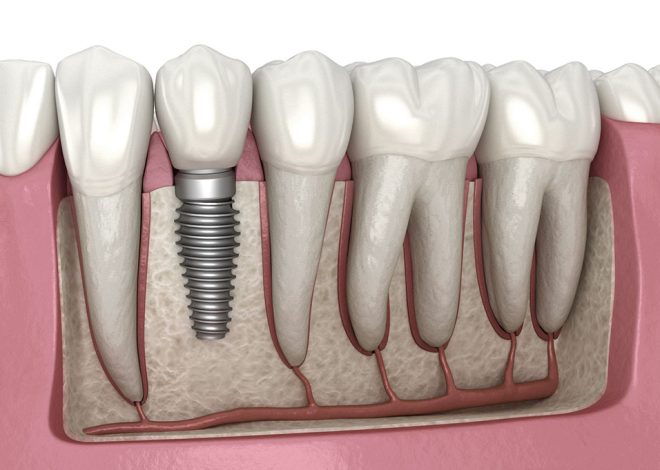
Exploring the Impact of Stress on Dental Implant Success
Understanding the Connection Between Mind and Mouth
The relationship between psychological stress and dental health has garnered significant attention in recent years, particularly when examining the success rates of dental procedures. Dental implants Brentwood, whilst representing one of the most successful tooth replacement options available, are not immune to the effects of stress on the human body. Research suggests that elevated stress levels can substantially influence the healing process, potentially compromising the integration of implants with surrounding bone tissue.
When patients undergo dental implant procedures, their bodies initiate a complex healing response that requires optimal conditions for success. Stress, however, can disrupt this delicate process through various physiological mechanisms. The body’s stress response system releases cortisol and other hormones that can interfere with cellular repair, immune function, and blood circulation—all crucial elements for successful implant integration.
The Science Behind Stress-Related Complications
Scientific studies have identified several ways in which stress impacts dental implant outcomes. Chronic stress suppresses the immune system, making patients more susceptible to infections around the implant site. Additionally, stress can reduce blood flow to healing tissues, slowing the osseointegration process whereby the implant fuses with the jawbone.
Patients considering dental implants should be aware that stress can also manifest in behavioural changes that negatively affect implant success. These may include poor oral hygiene habits, teeth grinding (bruxism), smoking, or neglecting post-operative care instructions.
Hormonal Influences on Healing
The endocrine system plays a pivotal role in how stress affects dental implant success. Elevated cortisol levels, characteristic of chronic stress, can impair collagen synthesis and bone formation. This hormonal imbalance creates an environment less conducive to the cellular activities required for proper implant integration. Furthermore, stress hormones can increase inflammation markers, potentially prolonging the healing period and increasing the risk of complications.
Research has demonstrated that patients with consistently high stress levels show delayed wound healing and increased susceptibility to post-surgical complications. Understanding how stress affects the implant healing process has become increasingly important for dental professionals when planning treatment protocols and setting realistic expectations for patients.
Behavioural Factors and Treatment Compliance
Beyond the physiological effects, stress significantly influences patient behaviour during the critical healing period following implant placement. Highly stressed individuals often exhibit poor adherence to post-operative care instructions, which can dramatically impact treatment outcomes. This includes inadequate oral hygiene maintenance, irregular follow-up appointments, and failure to avoid certain foods or activities that could compromise healing.
Bruxism, or teeth grinding, represents another stress-related behaviour that poses particular risks to dental implants. The excessive forces generated during grinding can prevent proper osseointegration or even cause implant failure after successful integration. Many patients remain unaware of their nocturnal grinding habits, making stress management an essential component of comprehensive implant care.
Strategies for Optimising Implant Success
Dental professionals increasingly recognise the importance of addressing stress factors when planning implant treatments. Pre-operative stress assessment allows clinicians to identify high-risk patients who may benefit from additional support or modified treatment protocols. Some practices now incorporate stress reduction techniques into their patient care programmes, including relaxation exercises and anxiety management strategies.
Timing considerations also play a crucial role in implant success for stressed patients. Managing stress and anxiety during implant recovery often involves scheduling procedures during periods of relatively low stress when possible, and ensuring patients have adequate social support systems in place.
Holistic Approaches to Patient Care
Modern dental practices are adopting more holistic approaches that consider the whole patient rather than focusing solely on the technical aspects of implant placement. This includes screening for stress-related factors, providing comprehensive pre-operative counselling, and establishing realistic expectations about healing timelines for patients experiencing elevated stress levels.
Some clinicians recommend stress management techniques such as meditation, regular exercise, or professional counselling as adjunctive therapies to support optimal healing. Comprehensive approaches to implant success often incorporate these lifestyle factors into treatment planning discussions.
Looking Forward: The Future of Stress-Informed Dental Care
The growing body of evidence linking stress to dental implant outcomes suggests that future treatment protocols will increasingly incorporate psychological wellbeing assessments. This evolution represents a positive shift towards more personalised, patient-centred care that acknowledges the complex interplay between mental health and oral health outcomes, ultimately leading to improved success rates and patient satisfaction.